


-

Add: HeBei ShengShi HongBang Cellulose Technology CO.,LTD.
-

Email
13180486930@163.com -

CONTACT US
+86 13180486930

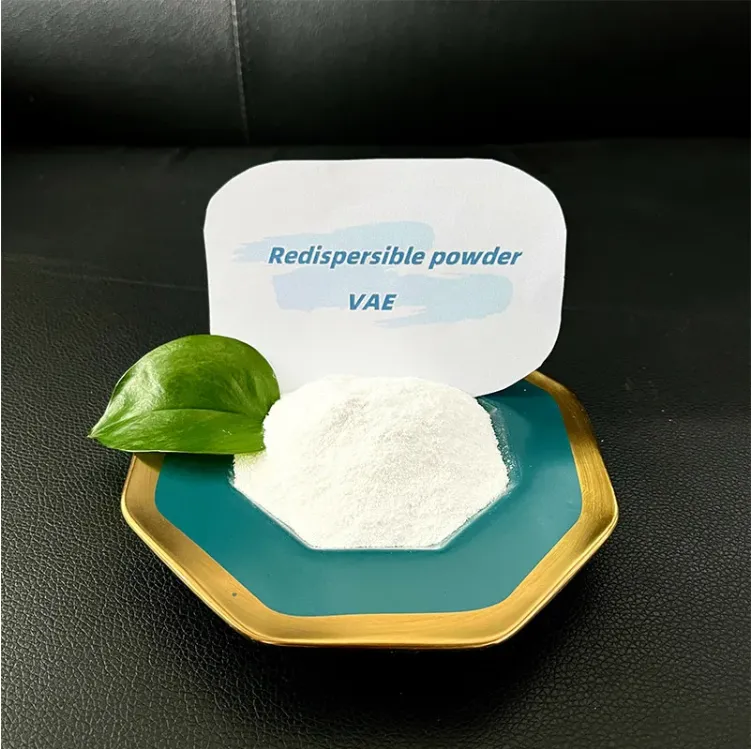


Concrete polypropylene fibers have revolutionized the construction landscape, offering an innovative solution to the age-old challenges in building materials. These synthetic fibers bring a myriad of benefits that enhance the structural integrity and durability of concrete infrastructures, and their real-world applications are proving them to be indispensable. In practice, builders and engineers alike have recognized the transformative impact of incorporating polypropylene fibers into concrete mixtures. Through firsthand experience, seasoned professionals have observed that these fibers significantly reduce cracking tendencies. Post-construction, this feature translates to lowered maintenance costs and extended longevity of concrete structures, creating a cost-effective solution in both short-term and long-term scopes. From the standpoint of expertise, it’s crucial to delve into the composition and benefits that make concrete polypropylene fibers stand out. Originating from thermoplastic polymers, these fibers offer high resistance to various physical and chemical impacts. The expert consensus highlights the fibers’ strength in enhancing resistance to freeze-thaw cycles, a common concern in regions with fluctuating climates. By reinforcing the concrete matrix, polypropylene fibers decrease permeability and offer enhanced protection against water infiltration, thus maintaining the structural integrity over time. In laboratory environments, precise tests have consistently demonstrated the advantages of these fibers. Researchers specializing in materials science have empirically validated that polypropylene fibers improve impact resistance and mitigate splitting, especially in high-traffic areas like pavements and industrial floors. These findings are corroborated by data showing reduced occurrences of micro-cracking during the curing process, setting a new benchmark in concrete durability. Authoritative bodies in the construction industry have recognized the benefits of using polypropylene fibers, therefore endorsing their use through updated building codes and standards. Organizations such as the American Concrete Institute (ACI) and the British Standards Institution (BSI) have integrated guidelines that recommend the use of synthetic fibers for concrete reinforcement. This endorsement not only reflects the growing trust in these materials but also guides best practices in application techniques. concrete polypropylene fibers Credibility in using concrete polypropylene fibers is further established through numerous successful projects globally. An exemplar is the construction of high-rise buildings in seismic zones, where the fiber-reinforced concrete has provided enhanced structural stability. Engineers involved in these projects report that the fibers allow for more flexible and adaptive designs, accommodating various architectural specifications without compromising safety or quality. Bringing a practical perspective, contractors with extensive field experience often highlight the ease of using polypropylene fibers during concrete mixing and pouring. Unlike traditional reinforcement methods, these fibers distribute uniformly throughout the mix, ensuring comprehensive protection and reinforcement. This uniformity contributes to a smoother preparation process and ultimately, superior finish quality in architectural applications. Trust in polypropylene fibers is also underscored by their environmental benefits . As sustainable building practices gain traction, these fibers contribute to eco-friendly construction goals by potentially reducing the need for other less sustainable reinforcement materials. Their production and integration result in a smaller carbon footprint, making them a fitting choice for projects aiming for green certifications and reduced environmental impact. In conclusion, the integration of concrete polypropylene fibers marks a significant advancement in modern construction practices, addressing long-standing challenges with innovative solutions. Professionals armed with both empirical evidence and field data assert that these fibers deliver unparalleled benefits in terms of durability, cost-efficiency, and environmental impact. As industry standards continue to evolve, the reliance on, and trust in, polypropylene fibers is poised to grow, positioning them as a key component in the future of sustainable and resilient construction.
- 40000tons

Production
- 20+years

Experience
- 5000+㎡

Acreage

-

Monofilament polypropylene fiber, a remarkable advancement in the field of construction materials, serves as a pivotal component in modern infrastructure and industrial applications. Renowned for its unparalleled properties, these fibers have marked profound transformations across various domains, leveraging their superior quality, durability, and versatility. Polypropylene, a polymer-based material, formulates the foundation of these fibers, infusing them with characteristics that withstand stringent environmental conditions. Engineered for precision, monofilament fibers exhibit exceptional tensile strength and resistance to moisture, chemicals, and abrasion. This strength and resilience stem from meticulous manufacturing processes that align with rigorous industry standards, ensuring optimal performance in demanding situations. Industrial experts acknowledge the unique benefits of incorporating monofilament polypropylene fibers into concrete. One of the primary advantages is the enhancement of concrete's structural integrity. When mixed with concrete, these fibers intersperse evenly, preventing defects such as cracking, shrinking, and structural weaknesses that typically occur due to environmental changes or mechanical stresses. The fibers act as reinforcements, distributing stress across the structure, thereby enhancing its longevity and reducing maintenance costs over time. Incorporating monofilament fibers in construction projects has been validated by numerous case studies. For instance, highway infrastructures subjected to extreme weather conditions have shown significant improvements in durability and wear resistance with these fibers. Construction specialists have observed reductions in crack formations and increased tensile strength, demonstrating real-world applications where monofilament polypropylene fibers contribute effectively to extending the lifespan of concrete constructs. The environmental impact of construction practices necessitates a shift towards sustainable solutions. Monofilament polypropylene fibers support this transition by minimizing the dependency on traditional reinforcement materials like steel mesh or rebar . With a lower carbon footprint during production and application phases, they offer an eco-friendly alternative, aligning with global initiatives to reduce greenhouse gas emissions and preserve natural resources. Quality and safety standards upheld in the production of these fibers play a crucial role in establishing their credibility. Manufacturers adhere to strict guidelines to produce fibers that are consistent in size and performance, ensuring reliability across different applications. Their continued evolution is marked by innovations aiming to enhance efficiency and adaptability in various environmental conditions, further solidifying their position in the market as a trusted material for reinforcement. monofilament polypropylene fiber The versatility of monofilament polypropylene fibers extends beyond traditional construction applications. They find prominence in contemporary architectural designs that emphasize sustainability without compromising on aesthetic appeal. Lightweight yet formidable, these fibers enable architects and designers to explore innovative designs by allowing flexibility in form and surface finish. Moreover, monofilament polypropylene fibers are indispensable in specialized applications such as the construction of water-resistant structures, including swimming pools, water tanks, and marine constructions. The fibers’ inherent resistance to microbial growth and chloride ion penetration enhances the longevity and safety of such structures, proving essential in maintaining hygienic standards and reducing maintenance expenses. In agricultural and geotechnical engineering, these fibers are instrumental in erosion control projects, where they reinforce soil and provide stability to landscapes subject to erosion forces. Their application not only ensures the structural integrity of agricultural lands and geotechnical projects but also contributes to sustainable land management practices, promoting environmental conservation and land preservation. The trustworthiness of monofilament polypropylene fibers is reinforced by endorsements from leading civil engineering associations and their compliance with international standards in construction and safety. Industry professionals gravitate towards their use due to comprehensive research and data backing their effectiveness and efficiency. To ensure continued advancements in infrastructure, experts advocate for ongoing research and integration of new technologies that can complement the attributes of monofilament polypropylene fibers. Collaboration between industry, academia, and research institutions will play a crucial role in exploring novel applications and enhancing the effectiveness of these fibers in forthcoming projects. In conclusion, monofilament polypropylene fiber represents a significant leap toward innovative and sustainable construction practices. Its multifaceted benefits, underpinned by expert validation and environmental advantages, herald a new era where the construction industry can meet modern challenges through durable, reliable, and ecologically responsible solutions. These fibers not only stand as a testament to engineering excellence but also reinforce the future of infrastructure development on a global scale.
-
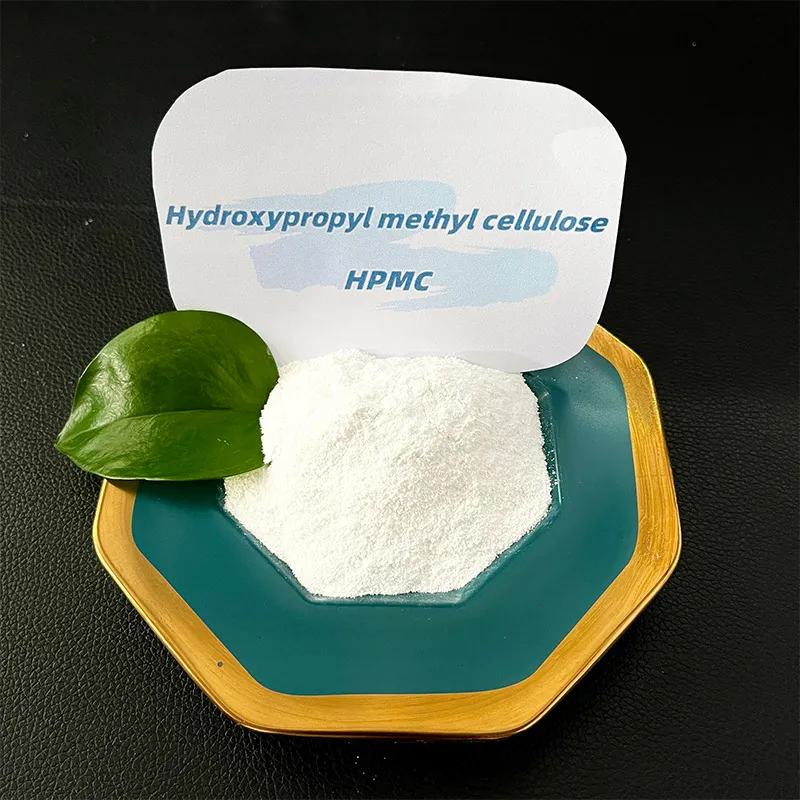
Understanding the intricacies of HPMC juice can elevate your experience with this innovative product, which is gaining significant attention for its unique properties. A relatively new entrant in the market, HPMC juice combines traditional beverage qualities with modern advancements, catering to an ever-growing population of health-conscious consumers. Hydroxypropyl methylcellulose (HPMC) is the central ingredient in this product. Known for its versatility and wide range of applications in the food industry, HPMC is a cellulose derivative acclaimed for its exceptional emulsifying, stabilizing, and thickening properties. What sets HPMC juice apart is these properties do not alter the original taste of the juice, ensuring that each sip is authentic and satisfying. Incorporating HPMC into juice production introduces several benefits . Firstly, it enhances the mouthfeel of the beverage, creating a thicker and more luscious texture that many consumers find appealing. This is particularly advantageous in reduced-sugar formulations, where mouthfeel can often suffer. HPMC helps mimic the texture and satisfying sensation of full-sugar juices without the added calories, making it an attractive option for those watching their sugar intake. Moreover, HPMC acts as a potent stabilizer, preventing the separation of ingredients within the juice. Juices made with natural ingredients often face challenges with sedimentation and ingredient separation over time, affecting texture and consistency. HPMC ensures a homogenous mixture, maintaining the visual appeal and satisfying taste experience throughout the product's shelf life. From an expertise standpoint, the role of HPMC in juice manufacturing is backed by extensive research and proven efficacy within the food sciences community. Numerous studies underscore its safety for consumption and its standing as a GRAS (Generally Recognized As Safe) ingredient by food safety authorities worldwide. As such, manufacturers can confidently integrate HPMC into their products, trusting in its performance and consumer acceptance. hpmc juice HPMC also reflects the evolving demands for clean labeling. With increasing scrutiny over product ingredients, the push towards recognizable, non-GMO, and natural ingredients is forefront in consumer purchasing decisions. HPMC fits seamlessly within these trends, appealing to an audience that values transparency and simplicity in food production. Its applications, however, are not merely functional but extend into the optimization of the juice production process. HPMC is instrumental in reducing the reliance on other synthetic additives and fillers. Consequently, this reduction aligns with both environmental considerations and the burgeoning demand for sustainable practices within the industry. By minimizing the need for extraneous elements, HPMC promotes cleaner, more efficient manufacturing cycles that both benefit the producer and resonate with eco-conscious consumers. Reflecting on trustworthiness, HPMC juice emphasizes safety and reliability. Each step—from sourcing raw cellulose to the rigorous process modifications carried out to synthesize HPMC—is executed under stringent quality assessments. This meticulous attention to quality ensures that consumers receive a product consistent in both taste and health benefits across different batches and brands. Anecdotally, many who have transitioned to HPMC juice acclaim its benefits, noting the texture and stability as standout features. This reflects not only product satisfaction but also informs potential consumers about the positive experiences associated with HPMC juice, promoting wider acceptance. Ultimately, HPMC juice represents a confluence of innovation, expertise, and consumer safety. Its unique attributes are not only anchoring a new category within the beverage industry but also setting a benchmark for what modern consumers can expect from their daily refreshments. As it continues to cement its authority in the market, HPMC juice stands as a testament to how scientific advancement can revolutionize food products, meeting diversified needs without compromising on quality or taste.
advantages
-

200000 Viscosities
Excellent product
We can produce pure products up to 200,000 viscosities
-

40000 tons
High yield
We don’t stop production all year round, and the annual output can reach 40,000 tons
-

24 hours
Quality service
We provide 24-hours online reception service, welcome to consult at any time
———— Inquiry Form
Schedule A services
-
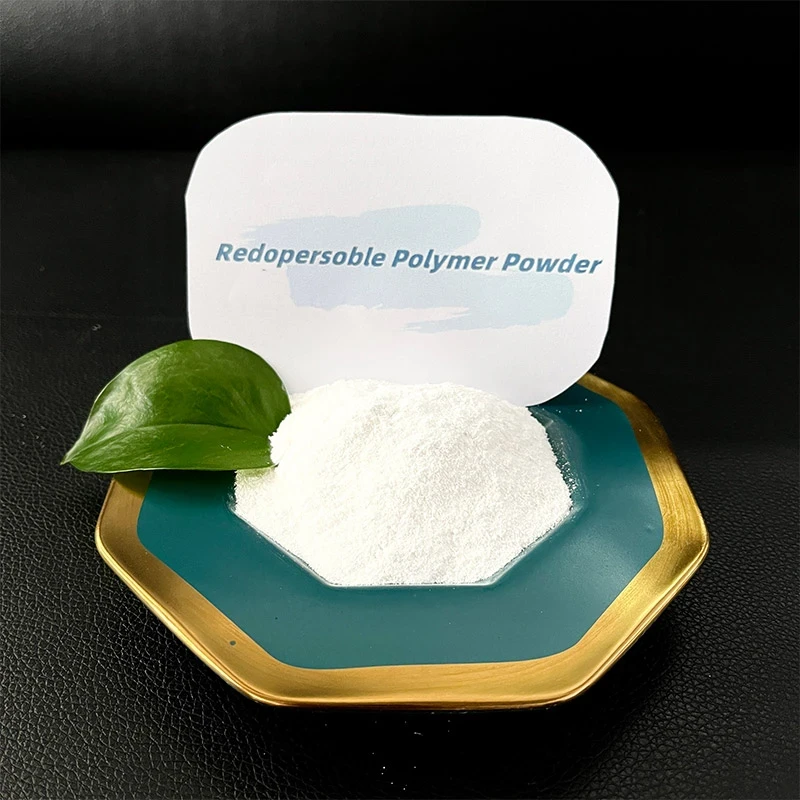
 bubuk_yang_dapat_didispersikan_kembali
Oct . 25, 2025
Hydroxypropyl distarch phosphate (HDP) is an essential modified starch used across a variety of indu -
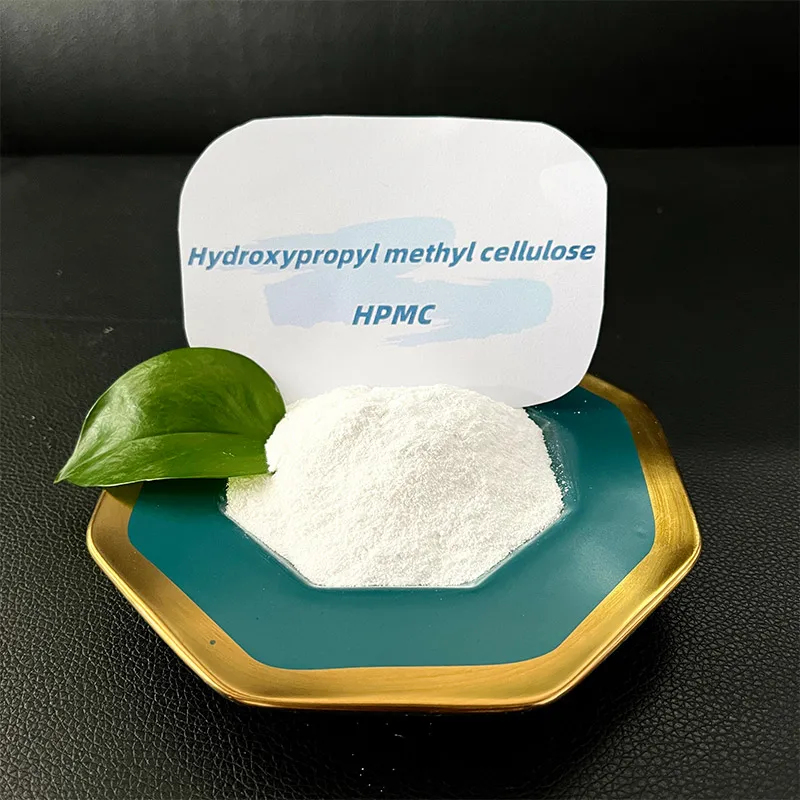 confix_pp_fiber
Oct . 25, 2025
Hydroxypropyl Methylcellulose (HPMC) stands as a unique and versatile compound with a broad range of -
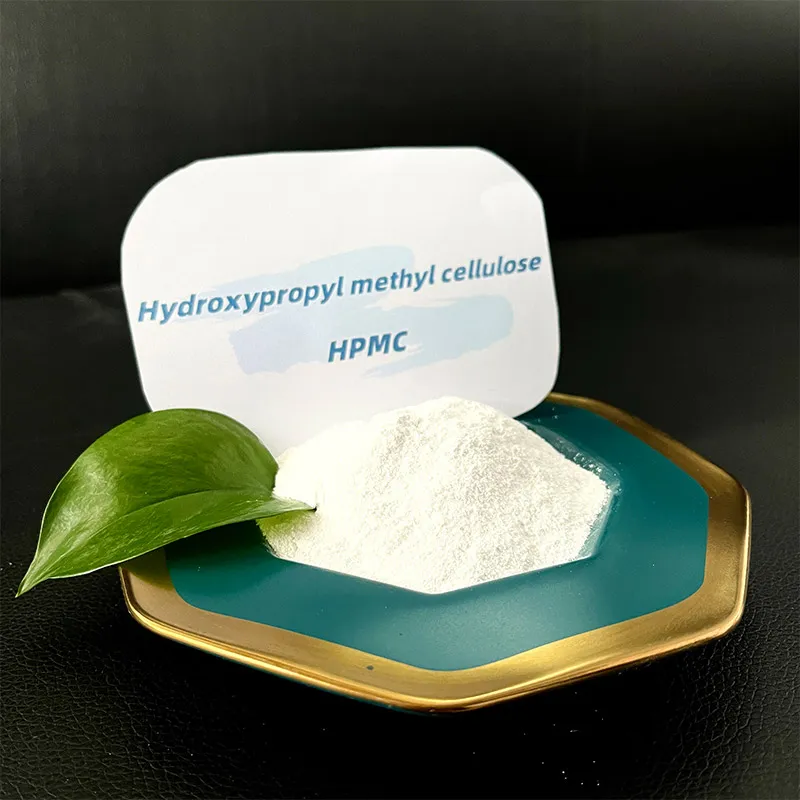 wood_cellulose
Oct . 25, 2025
Hydroxypropyl Methylcellulose (HPMC) has been transforming the construction industry with its versat


